

Teaching Resources Center including syllabi, schedules, computer-aided tools, interactive simulations, screencasts, concept questions, textbook information, useful links, and in some cases, complete course notes
CACHE
Computer Aids for Chemical Engineering
CACHE is a 501(c)(3) not-for-profit that promotes the development and distribution of computer-related and/or technology-based educational aids for the chemical engineering profession. Some of the activities include:
- Organize and promote conferences and workshops on Computer Aided Process Operations/Chemical Process Control, Computer Aided Process Design, Molecular Modeling and Simulation, Systems Biology in Engineering, and Process Analytics and Machine Learning.
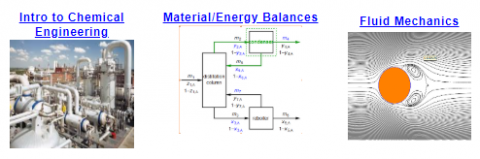
- Maintain a Teaching Resource Center: This center (https://cache.org/teaching-resources-center) houses a curated collection of materials to assist faculty in teaching chemical engineering core courses.
- Support LearnChemE: This free website contains teaching/learning resources for chemical engineering, including screencasts, interactive simulations, digital experiments, FE and PE exam reviews, programming boot camps, self-study modules, instructor resources, how to study/learn resources, and spreadsheets.
- Provide faculty grants to support development of computer-based educational modules (https://cache.org/computational-tools-development)
- Support faculty awards: ASEE Edgar CACHE Award, AIChE Himmelblau Award, AIChE Evans Award
- Provide graduate student travel awards: over $40,000 in last three years for conferences
- Provide student awards for best posters at conferences
- PSE Press: publishes research results on process systems engineering
- Systems and Control Transactions: conference proceedings on process systems engineering
- LAPSE: living archive for process systems engineering
Some recent accomplishments:
- Supported development of Learn Aspen in 24 hours by Tom Adams
- Supported development of Polymath software (https://polymathplus.org/) for numerical problem solving
Future Initiatives:
- Industrial Datasets – Making curated sets available to faculty.
- Molecular Modeling – working to develop curated best practices and teaching materials on how to use quantum chemistry, molecular simulation and machine learning.
Blog
 |
Incorporating Generative AI in the Chemical Engineering ClassroomRebecca K. Lindsey Sunday, March 8, 2026What we need is sustained, rigorous dialogue among colleagues, along with transparent sharing of assignments, failures, and refinements, so we can collectively identify what preserves foundational learning and problem-solving skill development while preparing students for responsible, AI-enabled practice. Read More |
 |
Digital Experiments on the LearnChemE websiteJohn L Falconer Saturday, March 7, 2026Web-based, interactive digital experiments have been developed at the University of Colorado Boulder with support from the National Science Foundation and in collaboration with Washington State University. Read More |
 |
FOCAPO-CPC Abstract Deadline Extended to March 23, 2026Friday, March 6, 2026The FOCAPO-CPC 2027 technical program is organized around seven conference themes that are intentionally broad, while emphasizing pressing global and industrial challenges where Process Systems Engineering can have transformative impact. Read More |
 |
CACHE Executive Director Ed Maginn Elected to the National Academy of EngineeringTuesday, February 10, 2026NAE is recognizing him “for development and application of molecular modeling and simulation of complex systems involving slow dynamics and long-ranged interactions.” Read More |
 |
CACHE Trustee Robert Hesketh Elected Fellow of the AIChEThursday, January 22, 2026Elected by the Board of Directors, Fellow is the AIChE's highest grade of membership Read More |
Pages
Reading Materials
Pages
 |
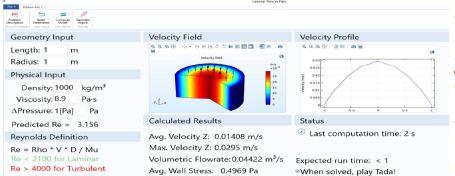 Development of Computational-Based Tools and Modules for Chemical Engineering Education Seed Grant Program |
 An article prepared by the CACHE Design Task Force argues that the emphasis on manufacturing processes over innovative product design is a critical gap in traditional chemical engineering design courses. |
 conference series in areas of importance to chemical engineering |
Institutional Members
As Institutional Members these colleges of engineering support CACHE's contributions to the engineering education community. Contact us (cache@cache.org) to become a supporter.


Departmental Members
Annual support from these Departmental Members enables CACHE to continue established activities while nurturing new projects. Contact us (cache@cache.org) to become a supporter.
 |
 |
 |
 |
 |
 |
 |
 |
 |
 |
 |
 |
 |
 |
 |
 |
 |
 |
 |
 |
 |
 |
 |
 |
 |
 |
 |
 |
 |
 |
 |
 |
 |
 |
 |
 |
 |
 |
 |
 |
 |
 |
 |
 |
 |
 |
 |
 |
 |
 |
 |
 |
 |
 |
 |
 |
 |
 |
 |
 |
 |
 |
 |
 |
 |
 |
 |
 |
 |
 |
 |


Theme by Danetsoft and Danang Probo Sayekti inspired by Maksimer